Supply Chain Inventory Management: Why Traceability Is Becoming Non-Negotiable in the Linen Sector
This shift toward full linen traceability is not theoretical — it’s already here. I saw it firsthand at the Clean Show in Orlando in August this year. Several major linen manufacturers showcased fully traceable textiles, each item carrying a scannable identity that revealed its fibre composition, manufacturing site, labour-compliance status, and sustainability footprint. It was clear that this wasn’t a prototype or a marketing exercise — it was a commercial reality that is about to hit our region. The message from Orlando was unmistakable: global supply chains are moving toward full transparency, and the Australasian laundry industry must be ready to operate in that environment.
The global supply chain has changed. Customers have changed. Their expectations have changed. And the commercial laundry industry is now being pulled into a transparency race that won’t slow down.
Hospitals, hotels, and major accommodation groups are no longer satisfied with simply buying or hiring a towel or sheet. They want proof — of origin, of quality, of ethical manufacturing, of fibre integrity, and increasingly, of lifecycle performance. The modern customer wants a linen item to come with a backstory as traceable as any food, pharmaceutical, or retail garment.
And linen suppliers are responding.
The New Customer Demand: Transparency From Fibre to Finished Item
Procurement teams are under pressure to demonstrate responsible sourcing. ESG reporting isn’t optional anymore, and linen consumption is now part of that reporting. As a result, customers are demanding:
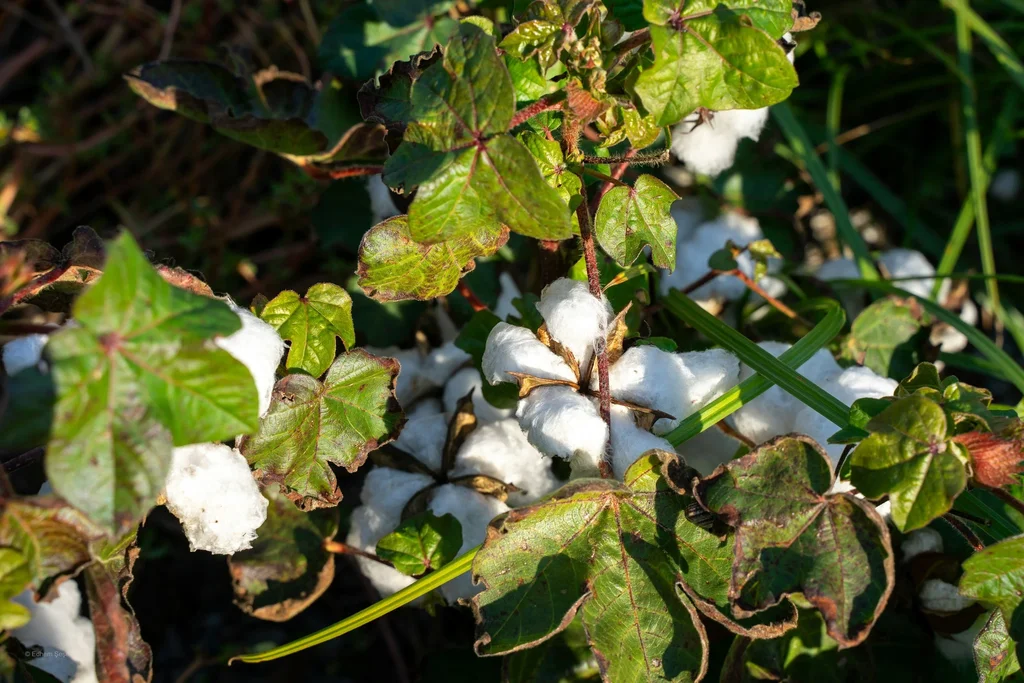
- Full fibre lineage — Where was the cotton grown? Was it blended? What percentage is cotton vs polyester?
- Factory origin — Which plant produced the item? What are its manufacturing standards?
- Labour compliance — Does the facility meet international labour laws and modern-slavery requirements?
- Environmental certifications — Water usage, emissions, waste management, dye compliance.
- Product lifecycle accountability — Expected lifespan, durability data, reuse performance, end-of-life recyclability.
It’s not enough to “trust the supplier” anymore. Customers want data.
Traceability Technology Becomes the Backbone
To meet these expectations, linen suppliers are embedding traceability into every item. The most common and scalable approach is barcode or DataMatrix identifiers, permanently heat-sealed or sewn into the hem of every sheet, towel, gown, or pillowcase.
Scanning that identifier enables a digital passport for the item, which may include:
- Fabric composition (e.g., 60/40 cotton-poly)
- Country of fibre origin
- Factory of manufacture
- Batch number and date of production
- Certification status (OEKO-TEX, ISO, BSCI, etc.)
- Records of ethical and labour compliance audits
- Dyeing and finishing processes
- Expected lifespan and warranty details
For laundries, this information can link directly into their existing RFID or barcoded workflow — giving complete product visibility from production through to repeated use in the commercial laundry cycle.
Why It Matters for Commercial Laundries
This shift isn’t just a “supplier thing.” It will directly impact how laundries manage inventory, track losses, and handle customer expectations.
1. Inventory Accuracy and Reconciliation
For the first time, laundries can verify that a specific towel or sheet being returned to the customer is the same item issued earlier. That level of item-level tracking gives:
- Improved loss detection
- Cleaner reconciliation
- Reduced disputes
- Better stock forecasting
When linen carries its full identity with it, mysteries in stock control finally disappear.
2. Strengthened Customer Trust
Customers want assurance. A traceable linen item allows the laundry to demonstrate:
- They are sourcing ethically
- They are using compliant suppliers
- Their products meet quality standards
- They can verify stock movements and loss patterns
This transparency becomes a competitive advantage. It shifts the narrative from being “just a laundry” to being a compliance-ready, data-driven supply chain partner.
3. Responsiveness During Audits
Healthcare and government sectors are moving rapidly toward demanding verifiable sourcing. Being able to scan an item and immediately show its manufacturing provenance will soon be a baseline requirement for tenders — not a nice-to-have.
4. Better Procurement for Laundries
When laundries purchase linen with full traceability documentation, they avoid:
- “Mystery blends” that wear prematurely
- Inconsistent quality between batches
- Non-compliant suppliers
- Hidden supply chain risks
The entire sourcing process becomes more predictable, reducing lifetime cost per kilo.
The Global Trend: End-to-End Traceability
In Europe, traceability is being driven by both ESG regulation and customer expectations. In North America, large linen suppliers are starting to integrate digital passports into textiles. Asia is following as major manufacturers race to remain competitive in Western markets.
Australia and New Zealand are now in the transition phase — with the early movers already embedding DataMatrix or RFID-ready labels into their product lines.
This is going to become standard.
Where This Is Heading
Within the next five years, the commercial laundry sector will see:
- Every towel, sheet, and gown arriving pre-tagged with a unique digital identity
- Automated verification of stock origins as part of onboarding
- Customers requiring traceability reports as part of contracts
- Integration between linen passports and laundry RFID systems
- Full lifecycle analytics — from purchase to retirement
Traceability will sit alongside weight, composition, GSM, and lifespan as a core requirement for linen procurement.